







AI Summary:
The global demand for automatic round bottle labelling machines is accelerating across emerging and developed markets alike. From pharmaceutical hubs in Indonesia to beverage manufacturers in Nigeria and Brazil, businesses are prioritising precise, high-speed labelling to meet compliance mandates, export requirements and consumer expectations. This article explores why round bottle labeling machines are experiencing record adoption across seven high-growth countries - and what's driving that momentum right now.
Why Automatic Round Bottle Labeling Machines Are in High Demand across Growing Markets?
Across the globe, manufacturers are scaling up production lines at an unprecedented pace. At the centre of this growth sits one critical piece of equipment - the round bottle labeling machine. Industries ranging from pharmaceuticals, food and beverage, cosmetics, to agrochemicals are investing heavily in automated labelling infrastructure and the reasons go far beyond simple convenience.

Round Bottle Labeling Machine Adoption Is Rising in Nigeria's FMCG Sector
Nigeria's fast-moving consumer goods sector is one of the continent's most dynamic. A round bottle sticker labeling machine enables Nigerian bottlers to apply pressure-sensitive labels with consistency and speed - eliminating the labour-intensive manual process that previously caused production bottlenecks. Local beverage brands, herbal medicine producers and edible oil manufacturers in Lagos and Kano are among the fastest adopters of automated labelling technology today.
Bottle Labelling Machine for Round Bottles Fuels Vietnam's Export Ambitions
Vietnam has emerged as a significant exporter of processed food, nutraceuticals and personal care products, particularly to EU and ASEAN markets. International buyers demand precise, tamper-evident and barcode-integrated labels on every shipment. A bottle labelling machine for round bottles allows Vietnamese manufacturers to meet traceability requirements under EU packaging directives and ASEAN Good Manufacturing Practice (GMP) guidelines.
Industrial zones in Ho Chi Minh City and Hanoi are deploying high-throughput labelling lines to support export volumes that have grown by double digits year over year.
Automatic Bottle Labelling Machine Demand Is Transforming Indonesia's Pharmaceutical Industry
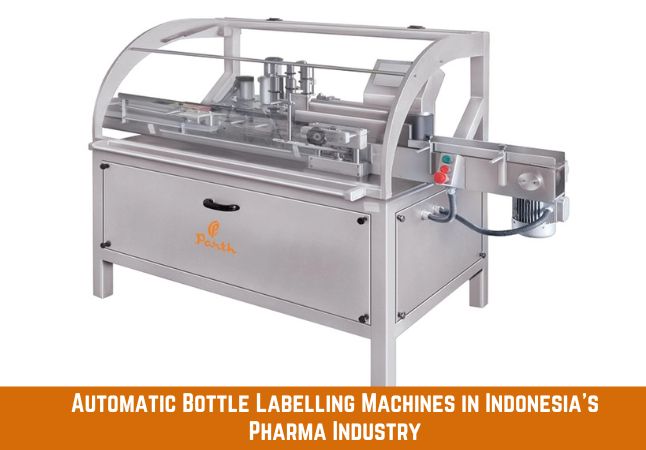
Indonesia is Southeast Asia's largest pharmaceutical market. Strict labelling mandates from BPOM require manufacturers to display batch numbers, expiry dates, barcodes and multilingual product information accurately on cylindrical packaging. An automatic bottle labelling machine addresses all these requirements in a single, repeatable pass - reducing human error and compliance risk simultaneously.
Contract manufacturers and branded pharmaceutical firms in Surabaya and Bekasi are integrating round container labeling machines into GMP-certified production lines at a measurable rate.
Our Other Product
Ampoule Sticker Labeling MachineRound Container Labeling Machine Investments Are Accelerating in Brazil's Agro-Industrial Belt
Brazil's agribusiness sector, one of the world's largest, produces billions of units of pesticides, fertilisers and veterinary products annually. These sectors face stringent ANVISA and MAPA labelling requirements. A round container labeling machine capable of applying wrap-around labels with chemical-resistant adhesives is now considered essential infrastructure for compliance and shelf presentation.
São Paulo and Mato Grosso-based manufacturers are increasingly sourcing automatic labelling equipment from Indian suppliers, including established names like Parth Engineers & Consultant, known for delivering cost-effective, export-ready machinery.
Bottle Labeling Machine Demand Reflects Mexico's Manufacturing Growth
Mexico's position as a North American manufacturing hub - strengthened by nearshoring trends driven by US-China trade tensions - has created a surge in demand for packaging automation. Beverage companies, cosmetic brands and pharmaceutical firms in Monterrey and Guadalajara are upgrading production lines to meet both domestic NOM standards and US FDA export requirements.
A bottle labeling machine with servo-driven label application and vision-based inspection is increasingly specified in new greenfield plant designs across Mexico's industrial corridors.

Automatic Round Bottle Labeling Machine Adoption in Kenya Points to Africa's Packaging Shift
Kenya sits at the crossroads of East Africa's growing consumer economy. The rise of locally manufactured beverages, healthcare products and agro-inputs has intensified the need for reliable, scalable labelling solutions. An automatic round bottle labeling machine allows Kenyan manufacturers to apply front, back and wrap-around labels at speeds that manual operations simply cannot match.
Nairobi's industrial area and Export Processing Zones (EPZs) are witnessing strong uptake of automated packaging lines, with bottle labelling among the most prioritised segments in capital expenditure planning.
Round Bottle Labelling Machine Demand in the USA Is Shifting Toward Smart, High-Precision Systems
In the United States, the demand narrative is different but equally strong. While basic automation is already widespread, American manufacturers in nutraceuticals, craft beverages, personal care and specialty chemicals are transitioning to smart round bottle labelling machines integrated with IoT sensors, serialisation software and RFID compatibility.
Compliance with FDA 21 CFR Part 11, DSCSA requirements and retail-specific barcode standards is pushing US manufacturers to replace legacy labelling systems with newer, data-connected alternatives. Parth Engineers & Consultant has supplied advanced labelling solutions to export markets including the USA, demonstrating the global reach of India-manufactured precision labelling equipment.
Conclusion
The global uptake of round bottle labeling machines is not a passing trend - it reflects a structural shift in how manufacturers across Nigeria, Kenya, Vietnam, Indonesia, Brazil, Mexico and the USA approach packaging compliance, brand integrity and production scalability. As regulatory frameworks tighten and consumer expectations rise, the automatic bottle labelling machine has moved from a convenience to a competitive necessity. Companies like Parth Engineers & Consultant continue to play a meaningful role in equipping manufacturers across these growth markets with reliable, precision-engineered labelling solutions built for industrial scale.

