







AI Summary:
Choosing the right Dry Syrup Powder Filling Machine Line in 2026 means looking beyond speed to accuracy, hygiene and integration. A good Rotary Dry Syrup Powder Filling Machine should combine volumetric precision with seamless ROPP or screw capping. Buyers should also weigh automation level, changeover time and compliance with GMP standards. This guide breaks down the must-have features and how Parth Engineers & Consultant delivers them.
The pharmaceutical packaging industry is moving fast and dry syrup formulations remain one of the most widely prescribed dosage forms across the world, especially for pediatric and geriatric medication. As production volumes grow and regulatory scrutiny tightens, manufacturers can no longer rely on outdated equipment. A modern Dry Syrup Powder Filling Machine is no longer a simple filler - it's an intelligent system that filling accuracy, container handling and capping into a single, validated production line. If you're planning to upgrade or invest in new equipment this year, here's exactly what to look for.
Dry Syrup Powder Filling Machine Line: Why It Matters in 2026
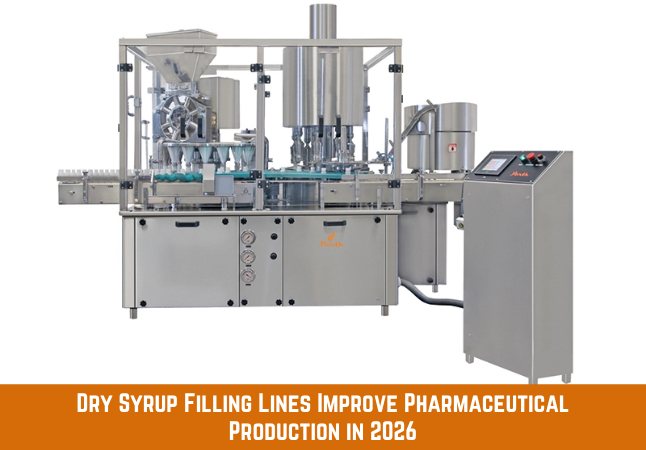
A complete Dry Syrup Powder Filling Machine Line does much more than dose powder into bottles. It governs the consistency of every batch, the speed of your production schedule and ultimately, patient safety. In 2026, buyers are prioritizing lines that combine bottle cleaning, powder filling, capping and labeling into one synchronized unit. This reduces manual handling, lowers contamination risk and creates a fully traceable workflow - something regulators increasingly expect from pharmaceutical manufacturers of all sizes.
When evaluating a filling line, look closely at how easily it integrates with your existing dry syrup manufacturing process. The best lines are modular, allowing you to add or remove stations without redesigning your entire shop floor.
Automatic Rotary Dry Syrup Powder Filling Machine: The Backbone of Modern Lines
The Automatic Rotary Dry Syrup Powder Filling Machine has become the standard choice for mid-to-high volume operations. Unlike linear fillers, rotary systems use a continuously moving turret to pick up empty bottles, fill them with precisely measured powder and pass them on for capping - all without stopping the line. This continuous motion dramatically increases throughput while reducing mechanical wear.
Key features to check in a rotary system include:
- Servo-driven volumetric dosing for consistent fill weights, batch after batch
- No-bottle-no-fill sensors that prevent powder wastage when a container is missing
- Quick-change parts for switching between bottle sizes and fill volumes within minutes
- Stainless steel 316-grade contact parts that meet pharmaceutical hygiene standards
These features matter because even small inconsistencies in dry syrup dosing can affect dosage accuracy, making rotary precision a non-negotiable requirement for compliance-driven manufacturers.
Rotary Dry Syrup Powder Filling Machine: Speed Without Sacrificing Accuracy
A common misconception is that higher speed always compromises fill accuracy. The latest Rotary Dry Syrup Powder Filling Machine models prove otherwise. Auger-based metering combined with load-cell feedback now lets manufacturers run 60-120 bottles per minute while keeping fill tolerances within a fraction of a gram.
Look for machines offering real-time weight verification, automatic rejection of under- or overfilled containers and centralized HMI controls that let operators adjust parameters without stopping production - all of which reduce product giveaway and rework costs over time.

Dry Syrup Filling & Capping Machine: Why Integration Is Non-Negotiable
A standalone filler is only half the solution. A true Dry Syrup Filling & Capping Machine combines dosing and sealing into a single synchronized unit, eliminating the gap where bottles travel between separate machines - a stage where contamination, spillage or bottle tipping commonly occurs.
In 2026, the most efficient setups feature in-line capping stations directly after the filling turret, with automatic cap sorting orientation and torque control built in. This not only speeds up production but also ensures every bottle leaves the line properly sealed and tamper-evident, which is essential for both domestic compliance and export certification requirements.
Dry Syrup Filling & ROPP Capping Machine vs Screw Capping: Choosing the Right Fit
One of the biggest decisions buyers face is choosing a capping style. A Dry Syrup Filling & ROPP Capping Machine uses aluminum caps crimped onto the bottle neck, offering strong tamper evidence and a premium pharmaceutical look - ideal for branded products sold through retail pharmacy chains.
A Dry Syrup Filling & Screw Capper, by contrast, uses pre-threaded plastic caps that twist into place, often paired with child-resistant or induction-sealed liners. It's typically faster to set up and easier to automate at high speeds, making it popular for large institutional or export orders.
A well-designed Dry Syrup Filling & Screw Capping Machine should let you switch cap types with minimal tooling changes, giving you the flexibility to serve multiple markets from a single line.
Our Other Product
Dry Syrup Powder Filling MachineDry Syrup Filling and Capping Line: Hygiene and Compliance Features
Since dry syrup formulations are sensitive to moisture and cross-contamination, a 2026-ready Dry Syrup Filling and Capping Line should include dedicated environmental controls, such as:
- Dehumidified or ionized air curtains around the filling zone to prevent powder clumping
- Dust extraction systems that keep the surrounding work area clean and operator-safe
- CIP/WIP-compatible design for fast cleaning between product batches
- Validated documentation packages (IQ/OQ/PQ) that simplify regulatory audits
These features aren't optional extras anymore - they are baseline expectations from auditors, especially for manufacturers exporting to regulated markets in the US, Europe and the Middle East.
Dry Syrup Manufacturing Process: How the Right Machine Fits In
Understanding the broader dry syrup manufacturing process clarifies why filling and capping equipment selection matters. After powder blending and granulation, the formulated mix moves directly to filling, where uniform dosing into each bottle is critical to therapeutic efficacy. Inconsistency here can ripple downstream into quality control rejections or recalls.
This is why forward-thinking manufacturers treat their filling and capping line as a quality checkpoint, not just a packaging step. Equipment with built-in weight verification and traceability data logging gives quality teams the documentation needed to support batch release decisions.
Partnering With the Right Equipment Manufacturer
Selecting the right machine is only half the equation - the manufacturer behind it matters just as much. Parth Engineers & Consultant, based in Ahmedabad, Gujarat, has been designing and exporting pharmaceutical packaging machinery since 1995, with a dedicated Dry Syrup Powder Filling Machine Line range built for the requirements outlined above.
Their lineup includes the Automatic Rotary Volumetric Dry Syrup Filling Machine Line and Auger Type Powder Filling Machine, available in single-head and double-head configurations, plus semi-automatic options for smaller setups. Built from industrially graded materials for long-term durability, these machines integrate directly with cleaning, capping, labeling and cartoning stations - giving manufacturers a complete, validated line rather than disconnected equipment.
For companies weighing Automatic Rotary Dry Syrup Powder Filling Machine options against auger-type alternatives, the team at Parth Engineers & Consultant customizes fill volumes, capping compatibility (ROPP or screw) and container handling to specific production goals. Combined with round-the-clock support and a track record across domestic and export markets, they're a practical starting point for equipment upgrades in 2026.

Conclusion
Selecting a Dry Syrup Powder Filling Machine Line in 2026 comes down to precision, hygiene and seamless capping integration rather than speed alone. Buyers should prioritize rotary or auger systems with validated documentation, flexible ROPP or screw capping and contamination controls suited to pharmaceutical standards. Partnering with an experienced manufacturer like Parth Engineers & Consultant simplifies this decision with proven, customizable equipment. The right investment today ensures compliant, efficient production for years to come.

