







AI Summary:
An injectable dry powder filling machine is a long-term capital investment that directly affects sterility, output and regulatory compliance. Before buying, pharma manufacturers should question their supplier on filling accuracy, stoppering integration, validation support and after-sales service. This article lists 10 practical questions that separate a genuine dry powder filling line manufacturer from a basic equipment reseller. Use it as a checklist during your next vendor evaluation.
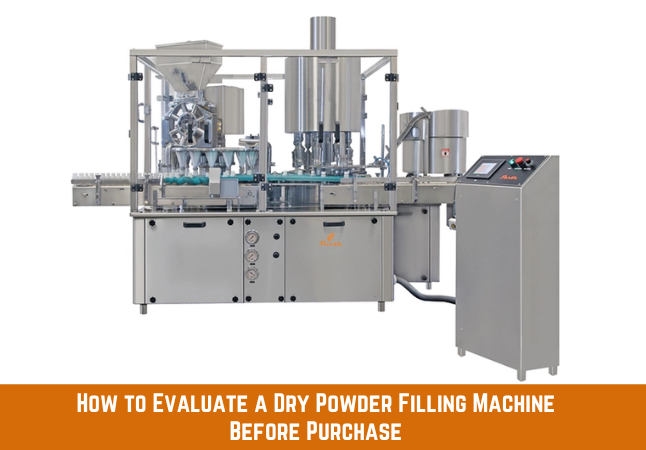
Buying a dry powder filling machine is not a routine procurement decision - it is a commitment that shapes your plant's output, sterility assurance and regulatory standing for the next decade. Many manufacturers focus only on price and speed, only to discover later that the dry powder filling equipment lacks proper documentation, struggles with format changeovers or cannot be integrated into a complete aseptic line. Whether you are setting up a new facility or expanding capacity, asking the right questions upfront helps you avoid costly downtime and ensures your dry powder packaging operations remain audit-ready. Here are the 10 most important questions to ask any supplier before you finalize your purchase.
Dry Powder Filling Machine: What Filling Technology Does It Use?
Not all dosing systems are equal. Ask whether the machine uses an auger-based system, a vacuum-dosing disc or a powder-dosator mechanism and which is best suited to your product's particle size, flow characteristics and bulk density. A reputable supplier will recommend the filling technology based on your actual powder properties rather than offering a one-size-fits-all solution, since the wrong mechanism can cause inconsistent fill weights or excessive powder dusting inside the filling chamber.
Injectable Dry Powder Filling Machine: Is It Designed for Aseptic, cGMP-Compliant Operation?
Since injectable products are administered directly into the bloodstream, sterility is non-negotiable. Confirm that the injectable dry powder filling machine is designed for Grade A/B aseptic environments, with smooth, crevice-free contact parts, RABS or isolator compatibility and validated cleaning and sterilization cycles. Ask for documented compliance with cGMP, USFDA and WHO-GMP guidelines, along with material traceability certificates for all product-contact surfaces.
Dry Powder Filling Line: How Are Washing, Filling, Stoppering and Capping Integrated?
A standalone filler is only one part of the process. Ask how the supplier configures a complete dry powder filling line - from vial washing and depyrogenation tunnels through filling, stoppering, capping and labeling. A well-integrated line reduces manual handling, minimizes contamination risk and improves overall line efficiency. Find out whether the conveyor speeds, vial handling and control systems are synchronized across all stations or sold as disconnected units.

Dry Powder Filling Stoppering Line: Does It Offer Reliable Inline Rubber Stoppering?
Stoppering is one of the most failure-prone stages in any aseptic line. Ask whether the dry powder filling stoppering line performs stoppering under vacuum or inert gas (nitrogen) flushing and how it prevents stopper misalignment or partial seating. Request data on stoppering accuracy at full production speed, not just at reduced trial speeds, since many machines perform well in demos but falter under continuous, high-speed operation.
Injectable Dry Powder Filling Line: What Output Speed and Batch Sizes Can It Handle?
Throughput claims on a spec sheet often differ from real-world performance. Ask the supplier for actual output figures of the injectable dry powder filling line under your specific vial size and batch volume, including validated speeds with full safety interlocks engaged. Clarify whether quoted speeds (vials per hour) account for routine stoppages, in-process checks and changeover time or only represent ideal, uninterrupted running conditions.
Dry Powder Injection Filling Machine: What Fill Weight Accuracy Can You Guarantee?
Dosage accuracy is critical for injectable products, where even small variances affect patient safety and batch yield. Ask what fill weight tolerance the dry powder injection filling machine guarantees, how it is achieved (gravimetric checkweighing, servo-driven dosing or closed-loop feedback) and whether in-process weight verification is built into the system. Request sample validation reports showing accuracy across a full production run, not isolated test shots.
Dry Powder Injection Filling Line: What Changeover and Format Flexibility Does It Offer?
Most pharma plants run multiple products and vial sizes on the same line. Ask how quickly the dry powder injection filling line can switch between vial diameters, fill volumes and stopper sizes and whether changeover requires tools, recalibration or specialized technicians. A line with quick, documented changeover procedures reduces downtime and supports smaller, more frequent production batches without compromising compliance.
Dry Powder Machine: What Materials of Construction and Surface Finish Are Used?
Ask for specifics on the materials used - typically SS 316L for product-contact parts and SS 304 for non-contact framework - along with the surface finish (Ra value) of internal surfaces. A well-built dry powder machine should have mirror-polished contact parts to prevent powder adhesion and microbial harborage, along with IP-rated electrical enclosures suited to washdown areas common in pharmaceutical manufacturing zones.

Injectable Dry Powder Filler: What Validation Documentation and Compliance Support Come With It?
Equipment without paperwork is a liability during audits. Ask whether the injectable dry powder filler comes with Design Qualification (DQ), Installation Qualification (IQ), Operational Qualification (OQ) and Performance Qualification (PQ) documentation, plus material certificates, calibration records and a Factory Acceptance Test (FAT) report. Confirm whether the supplier supports on-site validation and provides assistance during regulatory inspections.
Dry Powder Filling: What After-Sales Service, Spares and Training Does the Supplier Provide?
A machine is only as reliable as the support behind it. Ask how the supplier handles dry powder filling breakdowns - response time, availability of spare parts, remote troubleshooting and on-site service visits. Also confirm whether operator and maintenance training is included, since proper training significantly reduces operational errors and unplanned downtime once the machine is installed at your facility.
Why Parth Engineers & Consultant Is a Trusted Partner for Your Pharma Filling Line?
Choosing the right manufacturing partner is just as important as choosing the right machine. Parth Engineers & Consultant, based in Ahmedabad, Gujarat, has been designing and exporting pharmaceutical packaging machinery since 1995, with a strong focus on cGMP-compliant equipment for injectable and dry powder applications. Their Automatic Servo Base Injectable Powder Filling & Rubber Stoppering Machine is built to address exactly the concerns raised above - precise servo-driven dosing for consistent fill weights, reliable inline stoppering and contact parts engineered to pharmaceutical hygiene standards.
Beyond the filler itself, Parth Engineers & Consultant supplies the surrounding equipment needed for a complete, integrated line - rotary vial washing machines, high-speed linear washing systems, automatic cap sealing machines, inspection conveyors, sticker labeling machines and cartoning solutions. This means manufacturers evaluating a full dry powder packaging setup can source washing, filling, stoppering, sealing, labeling and cartoning equipment from a single, accountable supplier rather than coordinating multiple vendors. With documented certifications, an established global clientele and round-the-clock customer support, Parth Engineers & Consultant is positioned to support both first-time buyers and machine scaling up existing capacity.
Conclusion
Buying an injectable dry powder filling machine involves far more than comparing prices or speed claims on a brochure. The 10 questions above help you evaluate sterility design, fill accuracy, documentation and long-term support before committing. Manufacturers can review machine specifications and request a tailored quotation directly through the website.

